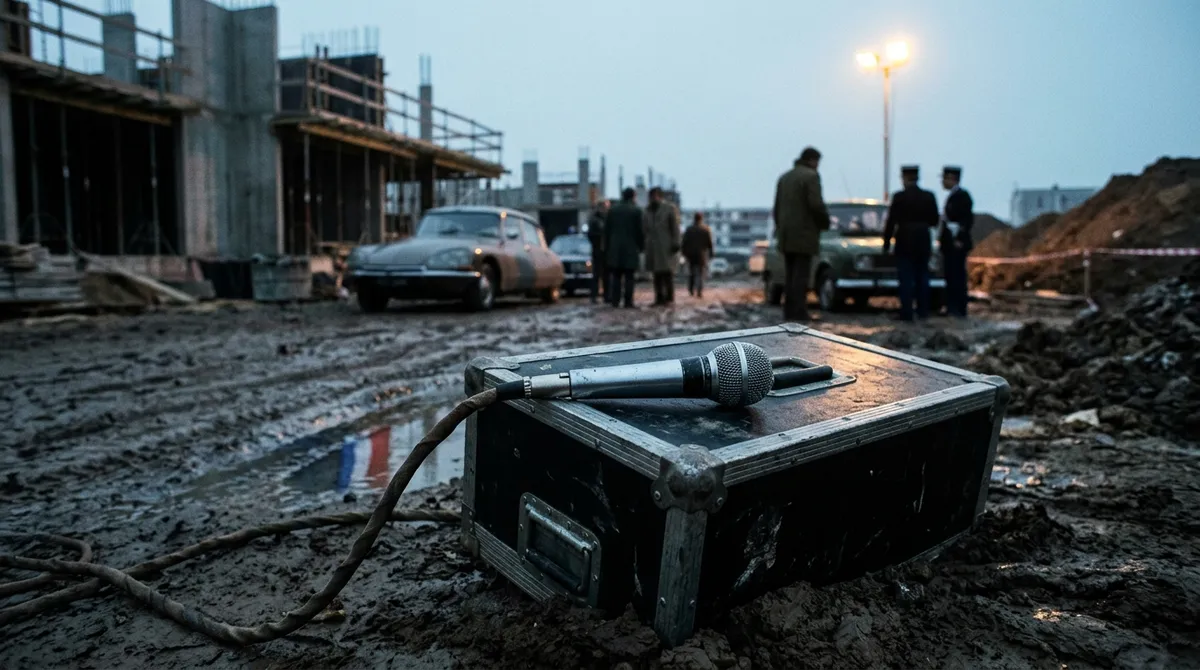
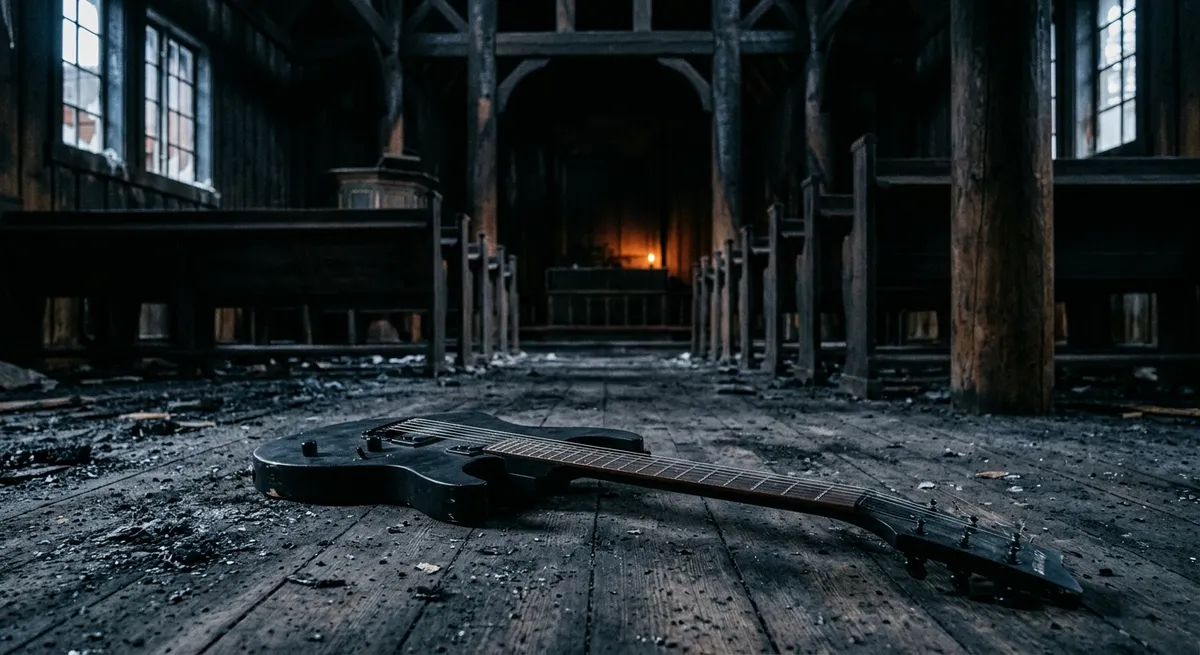
A killing in 1993 remains the darkest chapter in extreme music. According to a People report, Kristian "Varg" Vikernes murdered Mayhem guitarist Øystein Aarseth, a crime that followed a stretch of escalating extremity in Norway's black metal scene: church arsons, and the gruesome aftermath of a bandmate's suicide that was photographed for an album cover.
This is not a lighthearted story, so we'll treat it soberly. The question worth asking, and the one this piece sticks to, is how a scene built on shock ended up with a real death.
The Escalation Ladder
The most useful way to read this history is as a ladder, where each rung had to top the last.
Per People, the run-up to the murder included church burnings and the aftermath of a Mayhem bandmate's suicide, which was photographed and used as an album cover. Those are the specific markers the report points to. Taken together, they show a scene where provocation had stopped being about sound or costume and had moved into the physical world.
It's hard not to see the logic here, and that's our take, not a reported finding. If darkness is your currency, the audience has seen the corpse paint. The next bid has to be something that can't be faked with makeup. Church arsons were real property damage. The album cover used a real death. Each act made the previous one look tame.
When Shock Becomes the Scoreboard
People describes the period as one in which the line between artistic provocation and criminal acts blurred. That blur is the heart of the story.
In most music scenes, one-upmanship means louder, faster, weirder. Here, the available competition was transgression itself. Our read: when the measure of credibility is how far you'll go, there's no natural stopping point, and somebody eventually finds the one that can't be undone.
The Murder
The culmination, per the report, was Vikernes's 1993 killing of Aarseth, the Mayhem guitarist. The People piece frames it as a killing inside the scene, not an attack from outside it. That's a big part of why it shocked the community: the violence turned inward on one of its own.
Legend vs. Record
The story has since become metal folklore, and this is where fans should be a little careful. A crime that has been retold for three decades picks up gloss. The more it's told as myth, the easier it is to forget there was a real victim. When a documentary-style recap or a band T-shirt turns it into an origin story, something gets lost.
That's an editorial observation, not a claim about any one retelling. But it's the reason this history deserves plain-spoken treatment: the aesthetic of darkness is fun until you remember someone died.
Why It Still Comes Up
Black metal's history of transgression continues to fascinate audiences and influence metal culture, and this crime stays a watershed in conversations about artistic responsibility and scene accountability. Those conversations don't have tidy answers. Plenty of fans love the music and reject the violence; the story is a reminder that the two can be separated, and that a scene has to choose to separate them.
The sharpest takeaway is also the simplest: the genre built its mystique on being dangerous, and in 1993 it found out what that word costs.