Sarah J. Maas has a bestselling empire, a devoted fanbase and adaptations in development. According to a Womansworld report, she has also been tracing where it all came from: Lord of the Rings, Star Wars, Buffy the Vampire Slayer, Sailor Moon, Harry Potter and Disney's Cinderella. Those are the properties the report says shaped her worldview as a teenager and fed directly into the heroines and storytelling of Throne of Glass and A Court of Thorns and Roses.
That is a very specific mixtape. It's also a useful one, because it shows how a generation of kids raised on 1990s and early 2000s screens and fantasy shelves turned into the writers now dominating the bestseller lists.
The Throughline Starts With Buffy
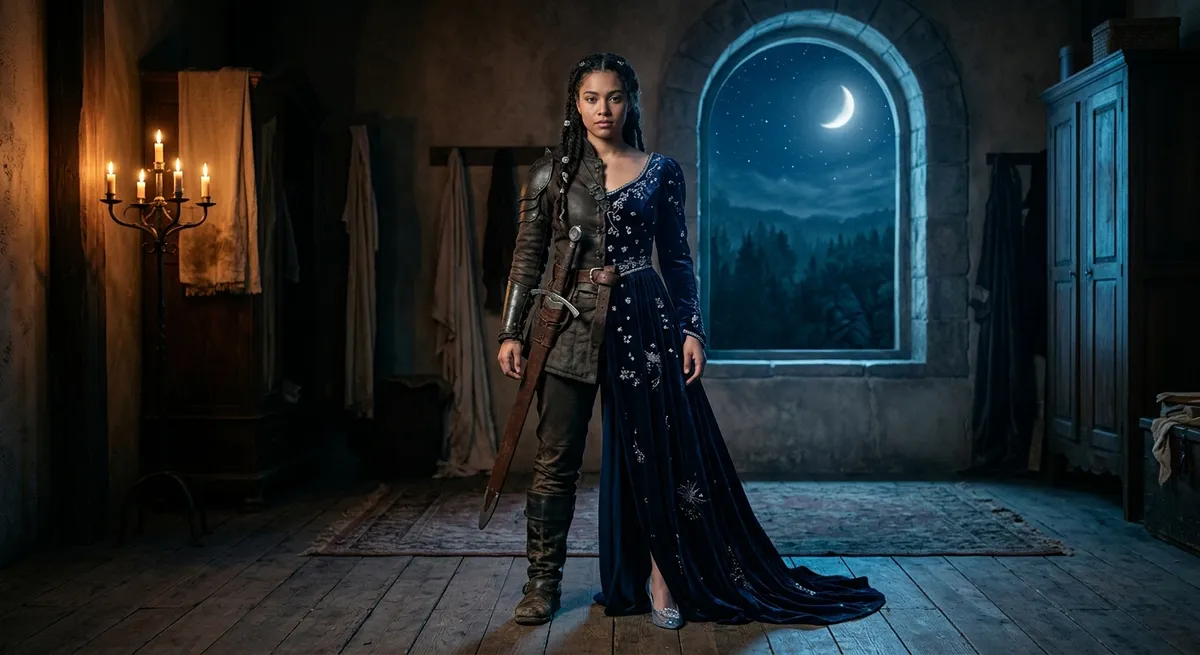
Of everything on the list, Buffy looks like the load-bearing wall. Per Womansworld, Maas points to the contradictions in Buffy as a kind of blueprint for her heroines: a warrior who is also a girly girl. Nobody in that framing has to choose between the sword and the lip gloss.
That's worth pausing on, because it's easy to forget how much that idea mattered. Fantasy heroines have often been written as one thing or the other: the tough one who rejects anything feminine, or the delicate one who needs rescuing. A hero who can be both, without the story treating it as a contradiction to be resolved, is the kind of thing a teenager notices and files away.
It's hard not to see the echo in Maas's own work. Her heroines are fighters, assassins and survivors, and the books don't ask them to give up softer interests to earn that status. That's my read, not a claim from the report, but the Buffy comparison makes the pattern easy to spot once you're looking for it.
From Cinderella to Throne of Glass
The most delightful detail in the report set of influences is the least likely one. Disney's Cinderella, per the report, is tied to the spark behind the entire Throne of Glass series. A single scene from the animated classic became the seed for a saga about an assassin competing in a deadly contest.
That's a long way from glass slippers, and it's a good reminder of how creative sparks actually work. They rarely arrive as a finished idea. They arrive as one image or one moment that a writer can't stop turning over, and then it grows teeth.
A Very Stacked Reading and Viewing List
The rest of the lineup reads like a love letter to the fantasy canon:
- Lord of the Rings, which Womansworld names among her core influences. Peter Jackson's film adaptation also added Arwen to the story, an evolution in female representation that the report flags as having mattered to a generation of creators.
- Star Wars, the template for epic, mythic storytelling at galactic scale.
- Sailor Moon, a team of girls with powers, transformations and big emotions, front and center.
- Harry Potter, which rounds out the list of formative fantasy.
It's an interesting spread: live-action TV, anime, animated Disney, blockbuster film and doorstopper fantasy. None of it is gatekept literary credentialing. It's the stuff teenagers actually loved, and that seems to be the point.
Why This Origin Story Lands Right Now
As Womansworld frames it, Maas is at peak cultural relevance, with her books dominating bestseller lists and adaptations in development. That makes her influences more than trivia. If screen versions of her worlds arrive, the audiences watching will include plenty of people who grew up on the same Buffy reruns and Tolkien movies she did.
There's a neat loop in that. A writer shaped by screen heroines of the past is now the source material for the next round of screen heroines. The influence passes down the line.
What Was Missing
One angle running under all of this is that great stories are built on the shoulders of what came before, and that creators often write what they wanted to see and didn't. The inclusion of Arwen in Jackson's films, noted in the report as part of the evolution of female representation, is a small example of how adaptations can widen the lens. Maas's heroines, it's fair to suggest, are partly a response to the gaps she saw in the media she consumed as a teenager. Again, that's a reading of the pattern rather than a direct statement from the report.
The Takeaway for Aspiring Writers
The subtext of Maas's list is oddly encouraging for anyone with a notebook and a favorite show. You don't need to start from a blank page and a bolt of originality. You can start from a Cinderella scene, a vampire slayer who loves clothes and a Middle-earth you can't leave alone, and let it all collide.
Which may be the sharpest observation here: the fantasy shelves of tomorrow are being written by kids who are, right now, rewatching something and thinking, "but what if it went differently?" Maas just happens to be the proof that it can work.