The Trump administration is pursuing an investigation into UFO sightings and unidentified aerial phenomena, according to a Seattle Times report titled "Inside the Trump administration's UFO hunt." Per the coverage, the effort signals a shift toward more openness from the government on a subject it long treated as a punchline.
That's the news. Here's the pop-culture question hiding inside it: how did flying saucers go from the back of the video store to the briefing room?
From Fringe to Federal Agenda
The Seattle Times piece frames UFOs, now more formally called UAP (unidentified aerial phenomena), as having moved out of conspiracy territory and into mainstream policy discussion. Government agencies, the report says, are now openly investigating reports rather than dismissing them.
Skepticism, in other words, is giving way to institutional curiosity. There's also talk of potential declassification efforts, though the details of what would be released are exactly the part worth watching.
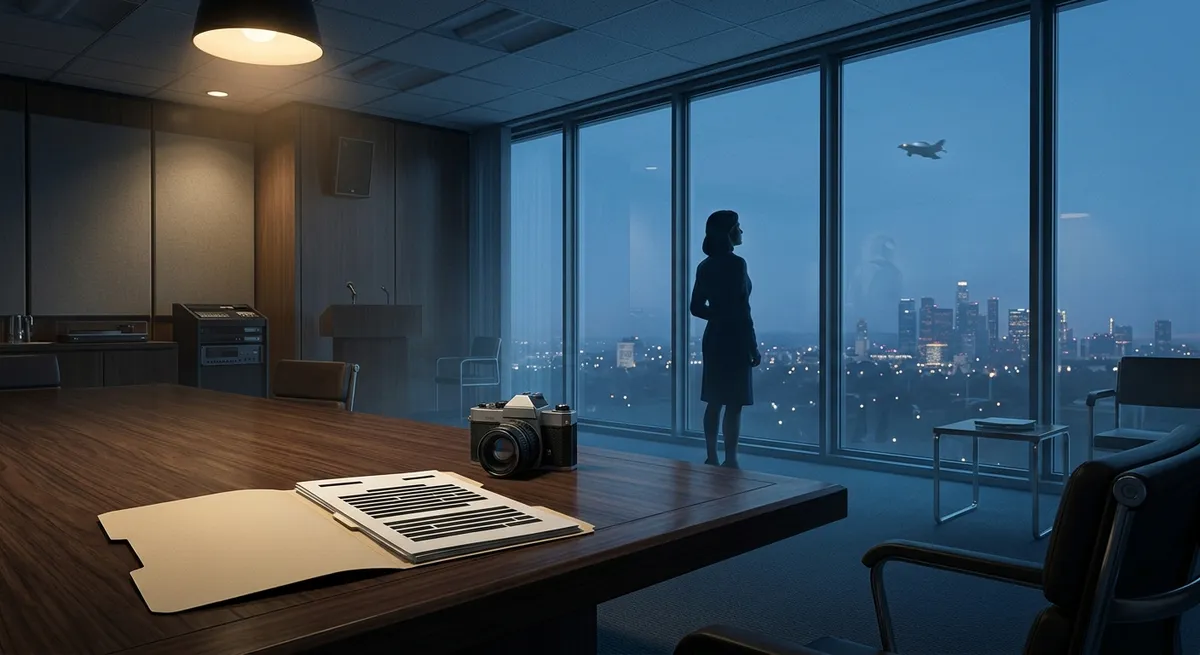
It's hard not to notice how much this resembles the arc of a good TV mystery. For decades the show's central question was treated as a joke by the characters in charge. Then, somewhere in season six, a official-looking person walks in carrying a folder.
The Rebrand Does Real Work
Consider the vocabulary. "UFO" calls up grainy photos, tinfoil hats, and a certain 1990s FBI duo. "Unidentified aerial phenomena" sounds like something a person says while holding a clipboard.
That's my read, not a claim from the report, but the shift in language seems to matter. "Phenomena" doesn't promise little green men. It just says: we saw something, and we can't explain it yet. That's a much easier sentence for an institution to say out loud, and it's a sentence researchers can actually build an inquiry around.
What Are They Actually Looking For?
This is where the story gets less cinematic. The term covers sightings that remain unidentified, not confirmed visitors from elsewhere. The Seattle Times report points to the scientific inquiry angle of the renewed focus, which is a long way from a press conference with a spaceship parked behind the podium.
The reality of a government "UFO hunt" is likely paperwork, data, and reports, not a landing on the South Lawn. I'm speculating on texture here; the report's emphasis is on the investigation and what it means for disclosure. But if you're picturing a movie, adjust your expectations toward a procedural.
The Disclosure Question
The biggest open question, as the coverage frames it, is the transparency debate: what the administration will actually disclose versus what stays classified.
That tension is the whole genre. Every great conspiracy story lives in the gap between "we're being open" and "some things remain classified." Fans of the form know that the redacted line is where the drama sits. Nothing in the reporting tells us how that balance will land, and anyone claiming to know is writing fan fiction.
Why the Audience Is Ready
The Seattle Times piece describes a cultural moment where public curiosity has outpaced the old eye-roll reflex. Audiences, it suggests, are more receptive to UFO stories than they were five years ago.
It's easy to see why the topic fits right now. Streaming has made mystery boxes a staple, and the internet has turned any odd video into a group investigation within hours. A subject that once required a late-night radio host and a good signal now gets traded in group chats over lunch. When the government starts talking about it seriously, the audience has already done the reading.
What to Watch
Three things will tell us whether this is a real shift or a well-timed headline:
- Who is involved. The report explores the key players behind the effort, and their credibility will shape how seriously the public takes the results.
- What gets declassified. Potential declassification is the part with actual stakes. Watch for substance versus symbolism.
- How the science is framed. If researchers get real access and real data, that's the difference between curiosity and theater.
The Plot Twist Is the Tone
Here's the sharpest thing about this story: the most surprising part isn't a claim about what's out there. It's that the question can now be asked in a government setting without a smirk. For decades, the unspoken rule was that taking UFOs seriously was a career risk. According to the Seattle Times, that rule is loosening.
Whether the investigation produces answers, or just a very long file with a very dramatic cover page, is still unwritten. But pop culture has been rehearsing this scene for seventy years. Now the cast is real, and the audience is leaning in.